
The Economics of Indie Utility Software: Why We Rejected the SaaS Subscription Model
An economic breakdown of utility software costs, the psychology of subscription fatigue, and why local macOS tools belong on one-time purchase licenses.
Clibo Engineering
Engineering & Systems Design
Table of Contents (6 sections)
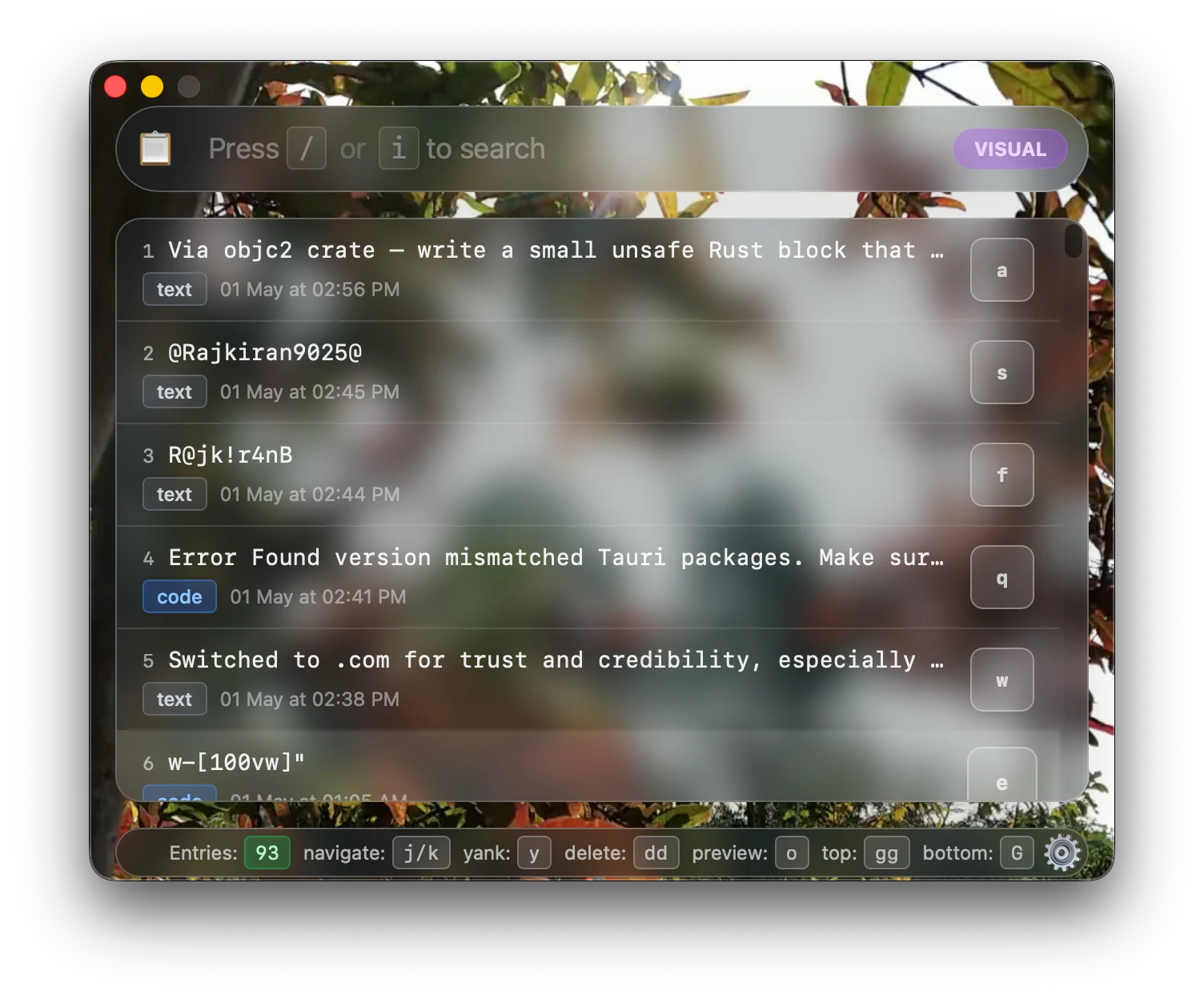
Over the past decade, the software industry underwent an almost total transition to the Software as a Service (SaaS) subscription model. Today, developers and knowledge workers are asked to pay monthly or annual recurring fees not just for hosting platforms and cloud databases, but for basic desktop utilities: window managers, text editors, screenshot annotators, and clipboard managers.
While recurring subscriptions make economic sense for cloud services with ongoing infrastructure and server costs, applying this model to local, client-side utility applications creates a misalignment of incentives between developers and users.
This essay explores the financial economics of utility software, analyzes why subscription fatigue is real, compares prevailing software licensing models, and details why we chose a permanent, one-time purchase structure for Clibo.
Key Takeaways (TL;DR)
- The Cost Dichotomy: SaaS platforms have recurring marginal infrastructure costs (server compute, storage, egress) for every user. Local utility software runs on your hardware with $0 marginal hosting cost.
- Incentive Misalignment: Subscriptions force utility developers to constantly add unnecessary features to justify monthly charges, resulting in bloated software.
- Perpetual Fallback Licenses: Licensing models that grant permanent ownership of the purchased version respect user investment and prevent software hostage situations.
- Sustainable Indie Development: A focused utility with a disciplined scope and fair one-time pricing can sustain long-term independent maintenance without recurring fees.
1. The Marginal Cost Fallacy: Cloud vs. Local Software
The economic rationale for subscriptions is rooted in variable marginal costs. If a software company hosts your files, runs server-side machine learning inference, and manages multi-region database replication, every new active user incurs direct, recurring expenses:
+----------------------------------------------------------------------+
|                     SaaS Cloud Cost Structure                        |
+----------------------------------------------------------------------+
|  User Signs Up  ──>  AWS EC2 / Lambdas   ──>  Monthly Compute Bill   |
|                 ──>  Managed PostgreSQL  ──>  Monthly Database Bill  |
|                 ──>  S3 Storage & Egress ──>  Monthly Bandwidth Bill |
|                                                                      |
|  * Each active user creates ongoing marginal hosting expenses.       |
+----------------------------------------------------------------------+
Now consider a local, client-side utility like a macOS clipboard manager:
+----------------------------------------------------------------------+
|                 Local macOS Utility Cost Structure                   |
+----------------------------------------------------------------------+
|  User Downloads ──>  User's Mac CPU      ──>  $0.00 Server Cost      |
|                 ──>  User's Local SSD    ──>  $0.00 Database Cost    |
|                 ──>  Zero Cloud Sockets  ──>  $0.00 Bandwidth Cost   |
|                                                                      |
|  * Marginal infrastructure cost per user = $0.00.                    |
+----------------------------------------------------------------------+
When a local utility charges a monthly subscription, the fee does not cover server compute or bandwidth. It is simply an artificial rent levied on a binary that is executing entirely on hardware you already purchased.
2. Feature Creep and the Subscription Trap
When a company charges a recurring monthly fee for a utility, it must continually justify that fee. This dynamic creates a destructive product cycle known as the subscription feature trap:
               +----------------------------------+
               |  Charge Monthly Subscription     |
               +----------------+-----------------+
                                |
                                v
               +----------------------------------+
               |  Users Question Ongoing Value    |
               +----------------+-----------------+
                                |
                                v
               +----------------------------------+
               |  Force Unnecessary AI / Cloud    |
               |  Features to Justify Price       |
               +----------------+-----------------+
                                |
                                v
               +----------------------------------+
               |  App Becomes Bloated, Slow &     |
               |  Consumes Excessive RAM          |
               +----------------------------------+
A clipboard manager should do three things exceptionally well: capture clips reliably, index them with zero lag, and provide instant keyboard search. It does not need social sharing feeds, generative AI summaries, or cloud collaboration workspaces.
The one-time purchase model protects utility software from feature bloat. It allows the development team to focus on stability, sub-millisecond latency, and OS compatibility rather than inventing novel justifications for monthly billing.
3. Comparing Software Licensing Models
There are four primary ways software is sold today:
| Model | How It Works | Best Used For | Drawback for Local Utilities |
|---|---|---|---|
| Pure Subscription | Pay monthly/yearly; app stops working immediately if canceled. | Hosted SaaS, streaming, cloud backends. | Locks your workflow behind recurring payments; creates subscription fatigue. |
| Perpetual Fallback (JetBrains) | Pay for 12 months of updates; retain permanent license to the version from month 12. | Professional IDEs, developer toolchains. | Fair, but can feel complex for smaller desktop utilities. |
| One-Time Purchase + Major Upgrades | Pay once for version 1.0; major version 2.0 is a discounted upgrade. | Traditional desktop software (Omni, Sublime Text). | Clean ownership; transparent alignment between developer and user. |
| One-Time Purchase + Lifetime Updates | Pay once; receive all future updates and patches indefinitely. | Hyper-focused utility tools. | Ultimate peace of mind for the customer. |
4. How Indie Software Survives on One-Time Purchases
A common objection from venture-backed software founders is: “One-time software sales aren’t sustainable because you run out of new customers.”
This critique applies to venture-scale companies seeking 100x exits. For an independent software studio building developer tools, the reality is very different:
- Mac Hardware Market Growth: Millions of new developers, students, and engineers buy Macs every year, creating a continuous stream of new users seeking quality tools.
- Predictable Support Overhead: Well-architected local applications written in compiled languages like Rust have minimal runtime error rates compared to distributed cloud microservices.
- Word-of-Mouth Distribution: Developers actively recommend tools that respect their privacy and wallet. Word-of-mouth customer acquisition costs are near zero.
5. Our Licensing Commitment
We designed Clibo’s pricing model to mirror our architectural philosophy:
- Solo ($19): 1 Mac, 1 year of updates, yours to keep forever.
- Pro ($29): Up to 3 Macs, lifetime updates. Pay once, receive every future performance improvement and feature update.
- Team ($89): Up to 10 Macs, lifetime updates for small engineering teams.
If your updates expire on the Solo tier, the software never shuts down, never locks you out, and never degrades. You own the tool you paid for.
Summary
Utility software is tooling, not a recurring service. When software executes locally on your machine with zero cloud footprint, the pricing model should honor that reality.
By rejecting artificial subscriptions in favor of transparent, one-time ownership, we align our success with delivering a fast, durable tool that stays out of your way.
About the Clibo Research Team
We build tools for developers who care deeply about local-first software, macOS systems engineering, and keyboard-centric productivity. Have thoughts or questions on this article? Feel free to reach out via support@clibo.app.
Related Technical Essays
View all →
Why Developers Actually Switch Clipboard Manager Apps (Maccy, Alfred, Paste → Clibo)
Honest comparison of Maccy, Alfred, Paste, and Clibo clipboard manager apps. Real trade-offs, no strawmen — including when you should stay with your current tool.
The 2026 Mac Clipboard Manager Comparison Matrix: Speed, Privacy & Workflow
An objective, technical benchmark comparing Maccy, Raycast, Paste, Alfred, and Clibo across memory usage, invocation latency, privacy, and keyboard navigation.